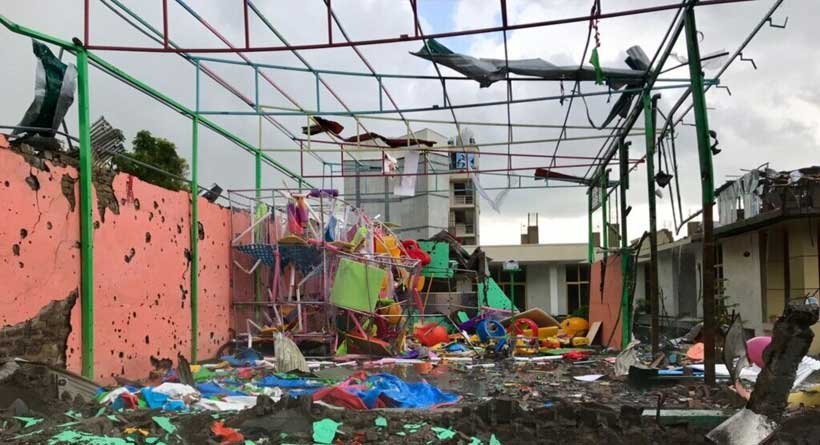
The genocide in Tigray stands as a harrowing emblem of the human toll of unchecked atrocities, driven by a blend of political, ethnic, and territorial animosities.
The genocide in Tigray stands as a harrowing emblem of the human toll of unchecked atrocities, driven by a blend of political, ethnic, and territorial animosities. While the genocide has led to immediate casualties and mass displacement, the deeper tragedy lies in the far-reaching disintegration of Tigrayan society as a whole. Beyond the scenes of scorched farms and looted towns lies an equally devastating collapse of Tigray’s institutions, social structures, and cultural identity. This destruction is profoundly multidimensional, impacting every sphere of life—from family units and cultural identity to education, governance, economy, and collective psychological health. Understanding the intricate web of this decay is essential to any effort aimed at not only rebuilding Tigray but also safeguarding the dignity, culture, and resilience of its people.
1. Family and Social Fabric: Erosion of Trust and Security
The core of any society lies within the family unit and social relationships that extend trust, solidarity, and a sense of safety. In Tigray, the genocide has shredded these bonds. Thousands of families have been torn apart, with men, women, and children often forcibly separated. Massacres, rape as a weapon of war, and enforced disappearances have left families mourning the loss of loved ones, while also grappling with the psychological trauma inflicted on survivors. This violence has strained family relationships, as stigma and social exclusion have further isolated those affected by weaponized rape. Many survivors now face a double trauma: the horror of the violence itself, and the alienation from their communities. Read more