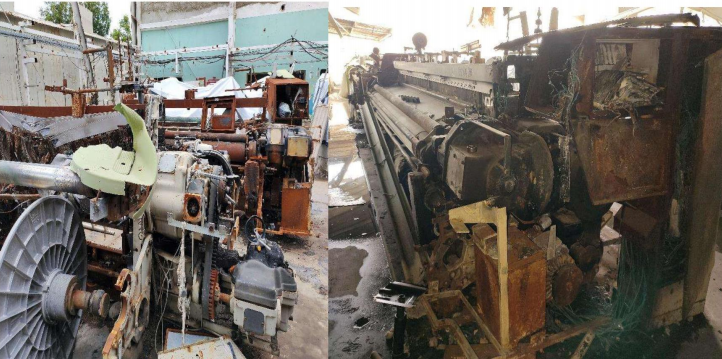
This case study of the Semayata Dimension Stone Factory illustrates the severe human and economic costs of a coordinated campaign of destruction during the genocidal war in Tigray. Witnesses report that factory guards attempting to protect heavy civilian machinery were killed by armed Eritrean forces, effectively eliminating organized resistance. While isolated attempts were later made by local workers to intervene, these acts underscored their awareness that the looting was deliberate and strategic, despite the extreme danger involved.
Eyewitness testimony indicates that the destruction of industrial infrastructure was part of a broader strategy to punish Tigrayans and facilitating their permanent displacement from the region. Statements attributed to EDF personnel reveal that dismantling Tigray’s economic base was viewed as the most efficient means of compelling evacuation. By removing or destroying machinery, perpetrators eliminated livelihoods and rendered communities economically unviable, ensuring long-term displacement.
Visual evidence further supports the systematic nature of the operation, including military uniforms left at looted and burned facilities, indicating direct armed involvement. The operation combined military force with technically skilled civilians who dismantled valuable equipment while ensuring the remaining infrastructure was rendered unusable. This dual approach strategic looting paired with targeted destruction amounted to a form of economic warfare.
Overall, the coordinated actions of armed forces and civilian technicians resulted in the near-total collapse of key industrial facilities, widespread loss of employment, and lasting damage to the region’s economic stability. The events reflect a calculated strategy designed to achieve both immediate control and enduring economic devastation.