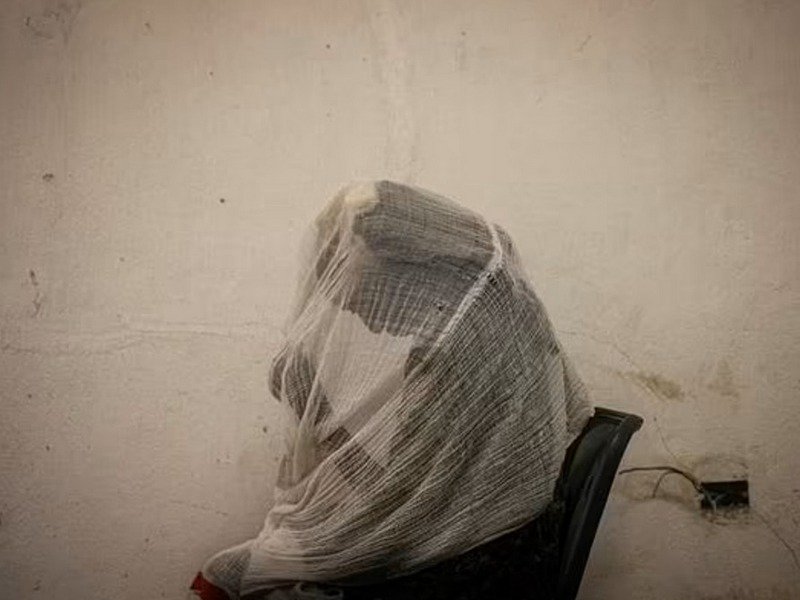
Across towns and villages in Tigray, Ethiopia, survivors recount patterns that reveal perpetration intent rather than randomness. Gang rape emerged as the most frequent form of assault. 70% of the survivors who were able to report the number of perpetrators, endured gang rape. These crimes unfolded in homes, military camps, schools, health facilities, religious places, and detention center spaces that should have offered safety, but were transformed into sites of profound harm. Survivors were also often assaulted in front of their families. Nearly 24.51% of the rape survivors who shared their experience have reported that family members were forced to witness the rape. In 15.23% of cases, relatives were forced into participating in the assault. This was not only violence against a body; it was violence against relationships, values, and dignity. Families were fractured. Trust was shattered. The psychological wounds reached far beyond the individual survivor.
The methods used to inflict harm were designed to dehumanize women and girls in Tigray. 25.27% of the survivors of rape who provided feedback concerning the insertion of foreign materials indicated that they experienced the insertion of foreign objects into their reproductive organs.. Such foreign objects include razors, bayonets, sand, stones, metal objects, snake and other materials. These acts caused catastrophic reproductive injuries, chronic pain, and long-term medical complications. They were calculated to leave permanent scars, physically and emotionally.
For women and girls in Tigray, the war continues in their bodies, in their memories, and in the way the world looks at them afterward. Sexual violence was not an incidental; it was systematic. It was used to terrorize communities, to break families, and to erase dignity.
This article reflects only a fragment of the evidence and lived realities documented through extensive research and survivor testimony. Readers who wish to understand the full scope, methodology, legal analysis, and recommendations can access the complete findings in War-Induced Genocidal Sexual and Gender-Based Violence in Tigray available on the CITG website.